2026-09-11
Dark Mirrors: 6 Underrated Psychological Thrillers That Master Cinematic Restraint
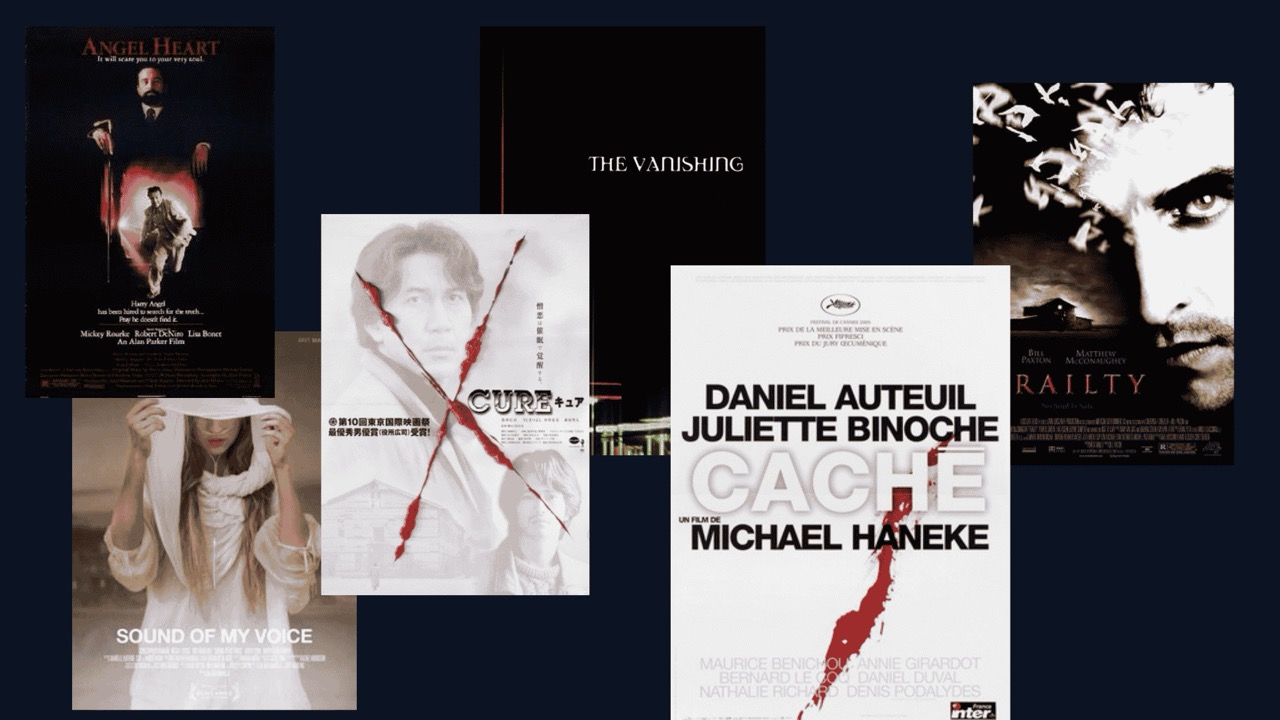
In Alan Parker’s 1987 supernatural neo-noir Angel Heart, Robert De Niro delivers a performance that serves as a masterclass in subtlety. Sitting calmly in a Harlem diner while meticulously peeling a hard-boiled egg, his character drops a line that cuts straight to the heart of psychological mystery: "However cleverly you sneak up on a mirror, your reflection always looks you straight in the eye."
It is a chilling reminder of a fundamental truth in cinema. The most unsettling stories rarely rely on theatrical villainy or deafening jump scares. Instead, they force the protagonist (and the audience) to confront the inescapable horror of self-deception and moral reckoning.
When a psychological thriller trades chaotic set pieces for silence, measured pacing, and atmospheric dread, the tension becomes palpable. If you are looking for films that trust their audience and favor quiet menace over loud spectacle, here are six underrated psychological thrillers and atmospheric mysteries that deserve a spot on your watchlist.
The Power of Quiet Dread in Neo-Noir Mysteries
Great thriller cinema understands that paranoia is built in the spaces between dialogue. When directors allow scenes to linger, every shadow and unanswered question takes on weight. The following films take classic mystery archetypes and strip away the comfort of easy answers.
Angel Heart (1987)
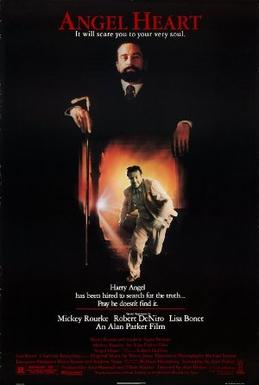
While recognized by dedicated cinephiles, Alan Parker's hybrid of 1940s detective noir and supernatural thriller remains criminally underappreciated by mainstream audiences. Mickey Rourke plays Harry Angel, a scruffy Brooklyn private investigator hired to track down a missing crooner. As he delves deeper into the case, every lead ends in violence, and every clue pulls him closer to a truth he is actively trying to deny. De Niro’s minimalist performance as the enigmatic client Louis Cyphre demonstrates how quiet authority can overshadow the most frantic horror tropes.
Cure (1997)
Directed by Japanese master Kiyoshi Kurosawa, Cure is a haunting procedural that feels less like a traditional detective story and more like a hypnotic trance. A frustrated detective investigates a series of gruesome murders committed by different people who all share one thing in common: they have no memory of why they did it, and each left an "X" carved into their victim's throat. Utilizing static camera setups, low ambient lighting, and oppressive sound design, Cure builds a sense of psychological decay that lingers long after the credits roll.
Where Isolation and Identity Collide
Isolation has always been one of cinema's most potent tools. Whether taking place in vast natural wildernesses or claustrophobic urban apartments, stories that isolate their characters force them to confront internal fractures.
The Vanishing (Spoorloos, 1988)
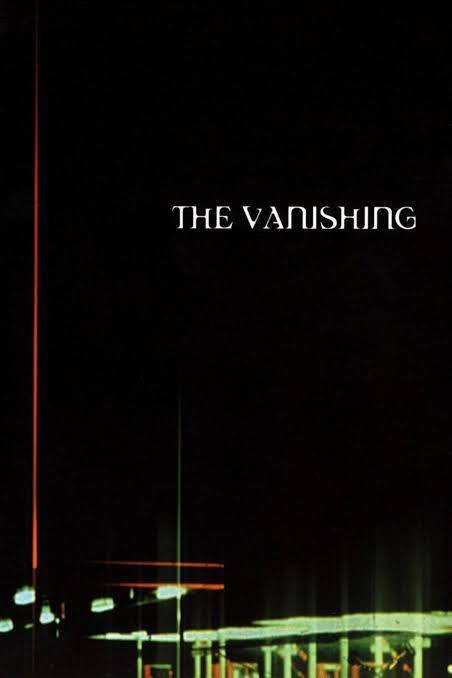
George Sluizer’s Dutch masterpiece avoids typical killer cliches completely. Instead of hiding the antagonist in the shadows, the film reveals him early on as an utterly ordinary family man and sociology teacher. The horror does not stem from an sudden monster, but from his methodical, calm curiosity about his own capacity for evil, paired with a young man's dangerous obsession with finding out what happened to his missing girlfriend. It is a terrifying study in restraint and fixation.
Psychological Stakes in Extreme Spaces
When human beings are pushed to physical and mental extremes, the barrier between survival instinct and internal fear begins to blur. For viewers who appreciate high-stakes psychological tension set against harsh, unpredictable backdrop conditions, stories exploring extreme physical risk offer a unique lens on human resilience. Short films like Save the Fear for Later examine how cold environments and extreme sports challenge human psychology, showing how coldness outside often reflects the cold focus required within.
Frailty (2001)
Directed by and starring Bill Paxton alongside Matthew McConaughey, Frailty explores religious conviction, family loyalty, and reliability of memory. Told through a series of flashbacks in a dimly lit office, a man tells a federal agent that his late brother was a notorious serial killer known as the God's Hand killer. What follows is a quiet, deeply disturbing reflection on fanaticism where the audience is constantly forced to re-evaluate who is telling the truth.
Essential Viewing for Fans of Mind-Bending Cinema
Independent filmmakers and international directors have long led the charge in subverting expectations. By refusing to give viewers neat resolutions, these stories invite ongoing discussion long after viewing.
Caché (Hidden, 2005)
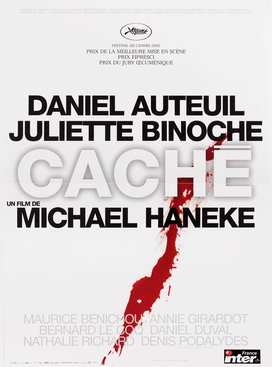
Michael Haneke’s French masterpiece is a chilling look at middle-class guilt and surveillance culture. A sophisticated Parisian couple begins receiving anonymous videotapes left on their doorstep, containing long, static shots of their front porch. There are no violent demands, no ransom notes, just the unsettling knowledge that someone is watching. Haneke uses long, uninterrupted takes to force the viewer into the position of investigator, making every detail on screen potentially vital.
Sound of My Voice (2011)
Directed by Zal Batmanglij and starring Brit Marling, this low-budget indie thriller follows two documentary filmmakers who attempt to infiltrate a secret cult operating out of a basement in the San Fernando Valley. The leader claims to be a visitor from the year 2054. Instead of relying on sci-fi visual effects, the film relies entirely on dialogue, psychology, and performance, leaving the audience perpetually torn between skepticism and belief.
Discovering Cinema That Stays With You
The beauty of atmospheric thrillers lies in their refusal to spoon-feed the audience. By leaving room for ambiguity, silence, and subtlety, they create an experience that lingers in your mind for days.
At ELEVI, our passion lies in connecting viewers with powerful, independent cinema that breaks free from predictable mainstream formulas. From intense human dramas and psychological short films to gripping outdoor feature documentaries, you can browse through a world of fresh visual storytelling in our curated film catalog.